
Restoring Pools That Show Wear or Damage
Pool Repairs in Alpharetta for surfaces, features, and structural components that need restoration
Pool surfaces crack, outdated features stop functioning, and leaks develop when plumbing connections fail or the shell loses structural integrity. Tuunich Exteriors identifies the underlying cause of pool damage—whether it's settling soil, freeze-thaw cycles, or worn surface coatings—and restores both safety and appearance. Repairs address immediate problems before they expand into larger structural failures that require full reconstruction.
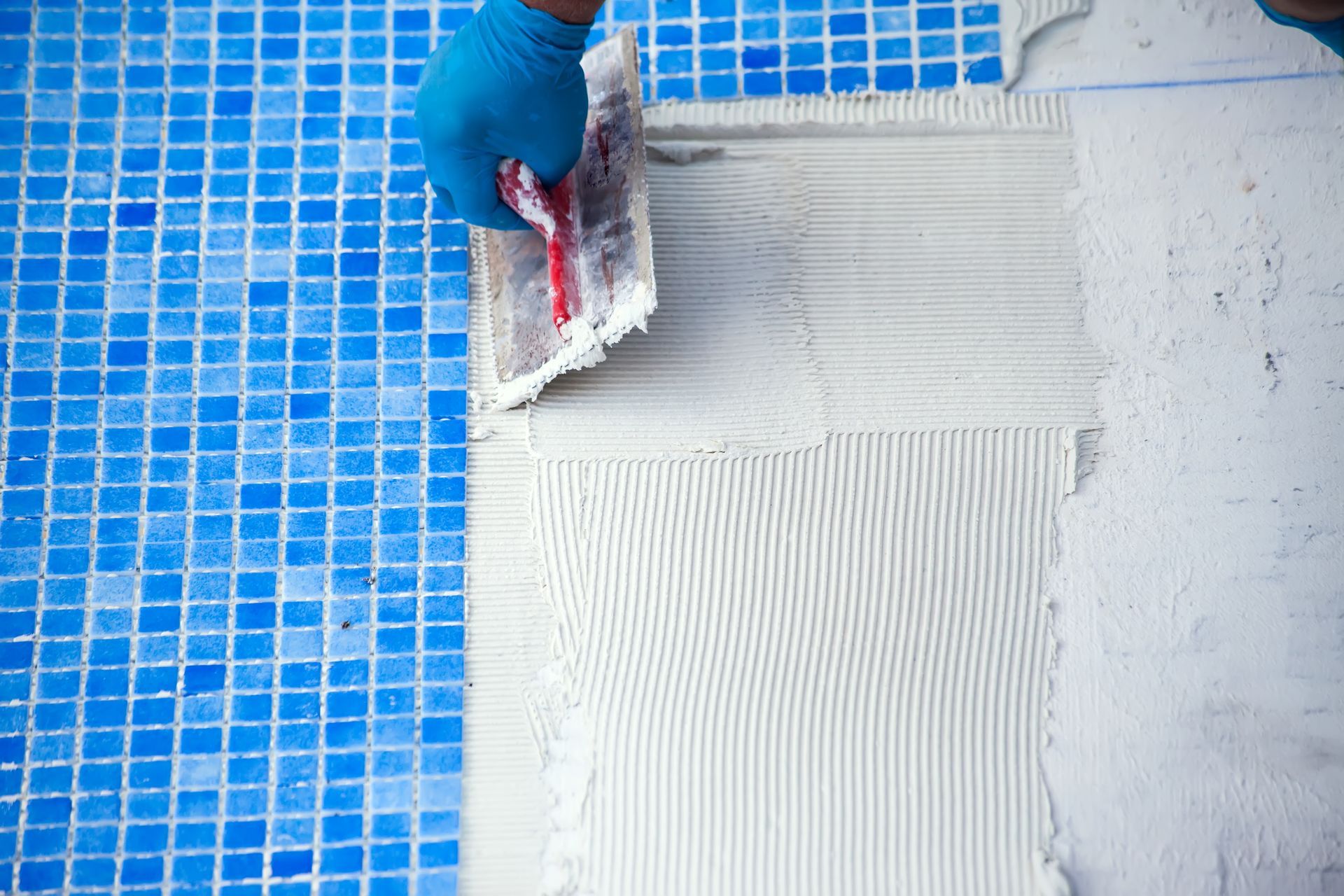
Repair work includes resurfacing damaged interiors, replacing outdated tile or coping, sealing leaks in plumbing lines or shell penetrations, and upgrading features such as lighting, jets, or entry steps. Seasonal weather changes in Georgia—particularly freezing nights followed by warming days—cause expansion and contraction that accelerates surface deterioration and creates leak pathways if not addressed early.
Request a pool inspection to identify specific repair needs and receive an estimate based on current conditions in Johns Creek, Alpharetta, Gainesville, and surrounding areas.
How Pool Repairs Address Structural and Surface Issues
Repairs begin with identifying whether damage originates from surface wear, plumbing failure, or structural movement beneath the pool. Surface repairs involve removing deteriorated plaster or pebble finishes, preparing the substrate, and applying new coatings that restore waterproofing and slip resistance. Leak detection uses pressure testing to locate failures in underground plumbing or shell cracks that allow water loss.
After repairs, the pool holds water without loss, surfaces feel smooth without rough patches or exposed aggregate, and outdated features function correctly. Surrounding hardscape updates—such as replacing cracked coping or resetting pavers—improve both safety and visual continuity between the pool and the rest of your outdoor space.
Repair timelines vary based on whether work involves surface refinishing, plumbing replacement, or structural reinforcement. Surface work typically requires curing time before the pool can be refilled, while plumbing repairs involve excavation to access buried lines and verify that connections no longer leak under pressure.
Answers to Frequent Service Questions
Pool repairs address specific failures and restore functionality, so understanding what each type of repair involves helps you recognize when intervention prevents larger problems.
Tuunich Exteriors restores pool functionality while improving surrounding hardscape features that affect long-term performance. Arrange a pool evaluation to review damage patterns and discuss repair options suited to your property in Alpharetta and neighboring communities.
What causes pool surfaces to crack or deteriorate?
Surface cracks develop when the underlying structure shifts due to soil movement, freeze-thaw cycles, or inadequate reinforcement during original construction. Chemical imbalances in water also erode plaster and expose the rough substrate beneath.
How are pool leaks detected and repaired?
Leak detection involves pressure testing plumbing lines and using dye tests to identify shell cracks or failed penetrations. Repairs may include epoxy injection for small cracks, plumbing line replacement for underground failures, or structural patching for larger shell damage.
What does pool resurfacing include?
Resurfacing removes the old interior coating, repairs any underlying damage to the shell, and applies a new plaster, pebble, or tile finish. The process restores waterproofing, smooths rough areas, and updates the pool's appearance.
When should pool repairs be scheduled in Alpharetta?
Repairs are best completed during off-season months when the pool isn't in use, allowing sufficient curing time for surface coatings and avoiding scheduling conflicts with peak swimming months. Fall repairs ensure the pool is ready for the following summer.
What hardscape updates improve pool areas during repairs?
Replacing cracked coping, resetting shifted pavers, or adding retaining walls around elevated pool areas improves both safety and drainage. These updates prevent water from pooling near the pool deck and reduce trip hazards around entry points.