
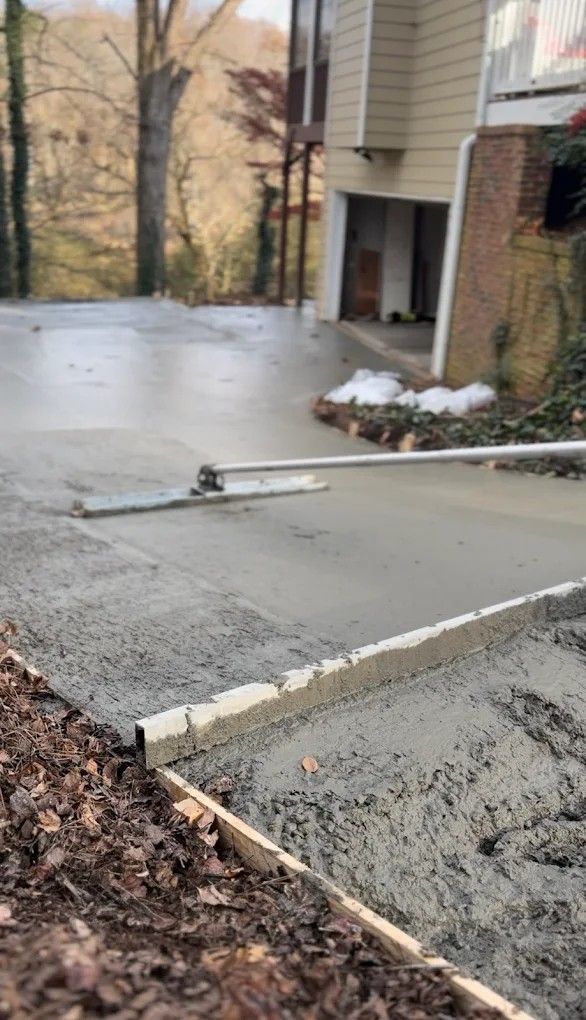
Surfaces Built for Backyard Gatherings and Access
Patios & Walkways in Alpharetta for properties needing functional outdoor connections and entertainment space
Tuunich Exteriors builds custom patios and walkways in Alpharetta that connect outdoor kitchens, pool areas, and backyard gathering spaces with durable, weather-resistant surfaces. Your property benefits from paver, stone, and concrete options selected to complement existing landscaping and architectural style. These installations address uneven yard access, mud-prone pathways, and the need for defined entertainment zones that remain stable under foot traffic and seasonal weather changes.
The work involves preparing the base with proper drainage grading, installing your chosen surface material with joint stabilization, and ensuring transitions between different outdoor areas remain level and visually cohesive. North Metro Atlanta properties frequently require surfaces that handle humid summers, temperature swings, and the integration of hardscape elements with pool decking or fire pit surrounds.
Schedule a site evaluation to review layout options and material compatibility with your current outdoor features in Alpharetta, Cumming, Gainesville, and surrounding areas.
What Proper Installation Requires for Long-Term Performance
Base preparation determines whether pavers shift or remain stable over time, which is why the excavation depth, aggregate type, and compaction process all follow structural requirements based on your soil conditions and intended use. Tuunich Exteriors adjusts edging and joint sand methods depending on whether you select interlocking pavers, natural flagstone, or poured concrete with control joints.
Once the installation is complete, you walk on surfaces that remain level without rocking underfoot, water drains away from foundation walls instead of pooling near entryways, and the visual connection between your patio and surrounding landscape appears intentional rather than added on. Outdoor gatherings no longer involve navigating uneven grass or dealing with muddy spots after rain.
The project timeline varies based on square footage and whether existing structures need removal, but most residential patios and walkways involve excavation, base installation, surface placement, and finishing work that accounts for slopes and transitions to lawn areas or existing hardscape.
Questions Homeowners Ask Before Starting Patio Projects
Outdoor living trends in Alpharetta, Milton, and neighboring communities include extended patio areas that accommodate seating zones, grilling stations, and fire features, which means planning your layout around how you actually use the space rather than simply adding square footage.
Tuunich Exteriors coordinates patio and walkway projects with your other outdoor improvements to create functional, visually unified backyard spaces. Request a design consultation to explore material options and layout configurations that match your property's architecture and outdoor use patterns.
What material works best for connecting pool areas to outdoor kitchens?
Pavers handle wet foot traffic without becoming slippery and allow for future access to underground plumbing or electrical lines without demolishing the entire surface, while poured concrete offers seamless transitions but requires saw-cut joints to control cracking.
How does base preparation differ between paver and stone installations?
Pavers require uniform compacted aggregate and edge restraint to prevent shifting, whereas natural stone may need mortar bedding or thicker base layers depending on the stone's irregular shape and weight distribution.
When should drainage concerns affect patio placement?
Properties in Alpharetta with clay-heavy soil or slopes toward the home need grading adjustments and sometimes subsurface drainage lines to prevent water from redirecting toward foundations after the patio is installed.
What happens if existing landscaping interferes with the planned walkway route?
Mature tree roots, irrigation lines, and grade changes require layout adjustments or root pruning coordinated with arborists to avoid damaging trees while still achieving the desired pathway connection.
How do color and texture choices affect long-term appearance?
Lighter pavers show less heat absorption but may require more frequent cleaning in shaded areas prone to organic staining, while textured surfaces hide minor wear better than smooth finishes in high-traffic zones.